The Weight We Carry: Healing from Childhood Sexual Abuse, One Man’s 60-Year Journey
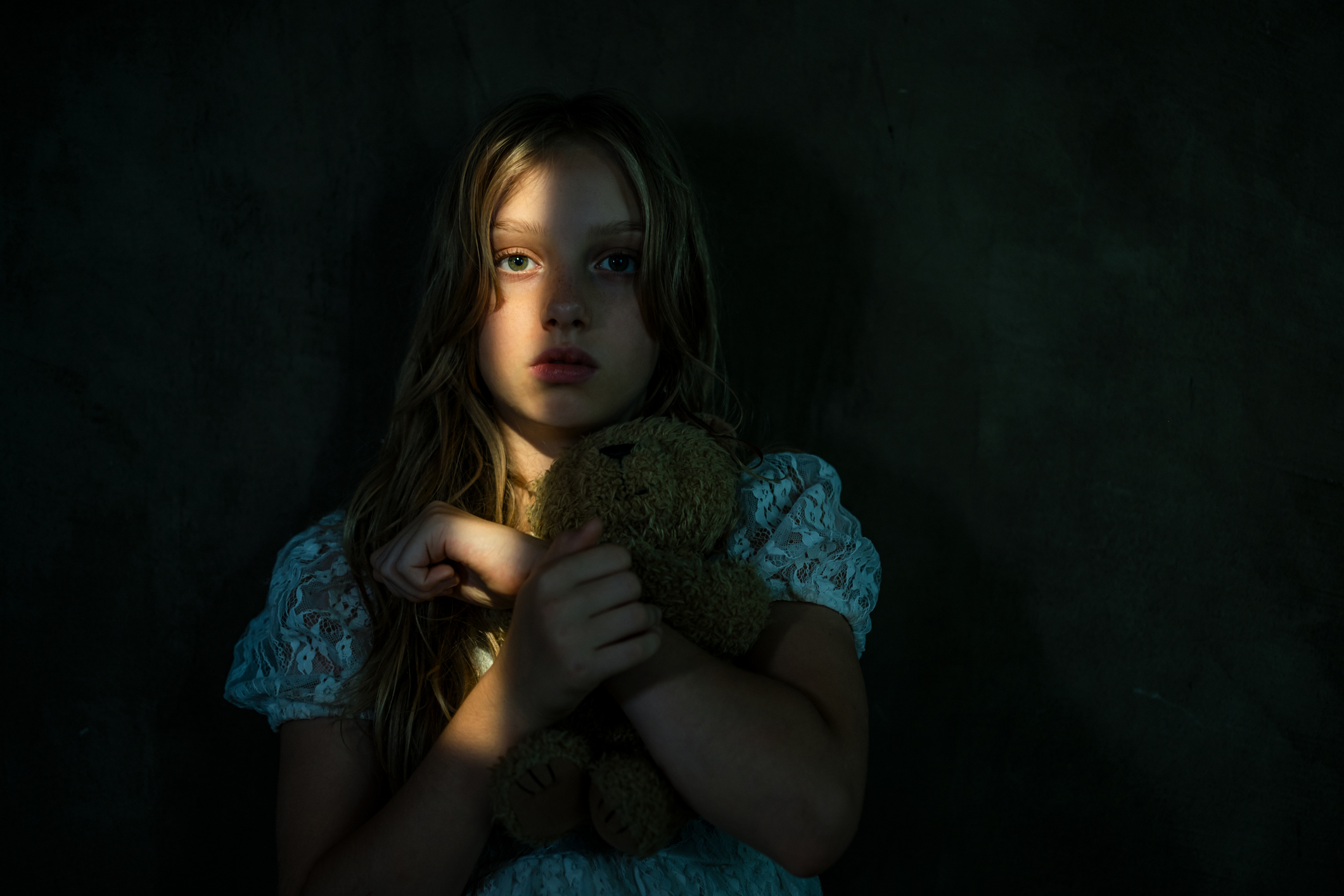
The Weight We Carry: Healing from Childhood Sexual Abuse, One Man’s 60-Year Journey
Some secrets don’t just hide. They grow.
They spread roots through decades, through marriages and careers, through dance floors and coronation balls. They whisper in quiet moments and scream in nightmares. And sometimes, they wait sixty years before finally being spoken aloud.
For William, known to many as Tiffany, The Crystal Empress XIII, that secret began in 1959, in a California park called El Monte.
He was thirteen years old. A Boy Scout. Looking for a father figure.
What he found instead was a scout leader who exploited that trust in ways that would shape the next six decades of his life.
The Hidden Epidemic
We talk a lot about childhood trauma now. We have words for it, survivor, advocate, healing journey. But in the 1950s and 60s, those words didn’t exist. Boys didn’t report sexual assault. They certainly didn’t talk about it. They carried it.
William carried his alone.
The first assault happened under the guise of watching a comet. The second came a year later, when the same man offered a ride home and drove the wrong direction. Afterward, William hid the evidence on his pants, rushed home, and told absolutely no one.
Not his mother. Not his grandmother. Not the friends who would later twirl beside him on dance floors. Not the partners who shared his bed.
No one.
The Ripple Effect
Here’s what the world doesn’t always understand about childhood sexual abuse: it doesn’t stay in the past.
It showed up in William’s life in ways he didn’t recognize for decades. The forged notes to avoid gym showers. The strategic choice to become towel attendant just to have an excuse. The complicated relationships with intimacy. The years of questioning his own identity, was he gay, straight, something else entirely, or simply shaped by trauma?
“I couldn’t have told you if I was gay, straight, bi, or something else entirely,” he writes. “The past, especially what happened with that scout leader at thirteen, had stolen a part of my identity before I even had the chance to claim it.”
That’s what trauma does. It steals choices. It confuses desire with damage. It makes every adult interaction carry echoes of childhood helplessness.
The Armor We Build
Survival requires creativity. William found his in transformation.
As Tiffany, he could be anyone. As a leather-clad alter ego named Mack, he could disappear into a different kind of power. As a go-go boy in custom thongs, he could control how he was seen. Each persona was a layer of protection, not unlike the five layers he carefully arranged beneath every gown, ensuring that nothing could penetrate without permission.
Pantyhose, he’ll tell you, saved his life in more ways than one.
But armor is heavy. And eventually, even the strongest defenses need to come down.
The Breaking Point
In 2021, sixty-two years after El Monte Park, William finally spoke.
A television commercial caught his attention, attorneys representing survivors of sexual assault. Night after night, the same phrase echoed in his mind: El Monte Park. The memories that had been locked away for six decades came flooding back.
When he called the number, the attorney confirmed what his memory had held onto all those years: the park was real. It was in Lakeside, near his childhood home in El Cajon. He hadn’t imagined it. He hadn’t exaggerated it. It happened.
Seventy-five years old, and the past had finally clawed its way back into the light.
Why Survivors Wait
Sixty years is a long time to carry something alone. Why do survivors wait so long to speak?
Because shame is a powerful jailer. Because children who are abused often blame themselves. Because the people who should have protected them were the ones who caused the harm. Because society tells boys they should be strong, should fight back, should just get over it.
Because speaking means revisiting. And revisiting means reliving.
But here’s what William learned, and what he wants other survivors to know: silence doesn’t heal. It just postpones. And sometimes, the postponement lasts a lifetime.
The Courage to Come Forward
William’s decision to share his story wasn’t easy. It meant revisiting the worst moments of his life. It meant telling his sister, who laughed and suggested their mother had “turned him gay” by dressing him as a hula girl for Halloween. It meant facing the possibility that no one would believe him, or worse, that they wouldn’t care.
He told his story anyway.
Not for justice, the statute of limitations had long expired. Not for revenge, the scout leader was almost certainly dead. He told it because some truths are too heavy to carry alone. Because other survivors need to know they’re not alone. Because silence serves only the abuser, never the abused.
The Power of Speaking
William’s memoir, Pantyhose Save My Life!, chronicles many things, a successful career in high-fashion hairdressing, a glittering reign in San Diego’s Imperial Court system, the devastating losses of the AIDS epidemic, the complicated relationships with family, the joy of finding chosen community. But at its heart, it’s a story about what happens when we stop running.
“There’s one thing I want other survivors to know,” William says. “You didn’t ask for what happened. You didn’t deserve it. And no matter how long it’s been, it’s never too late to tell someone. The silence hurts worse than the truth ever will.”
Sixty years is a long time to wait for healing. But as William proves, it’s never too late to begin.
The comet that streaked across El Monte Park in 1959 is long gone. But the boy who watched it, the boy who learned that night that the world isn’t always safe, finally found his voice.
And now, at 79, he’s using it to light the way for others.
If you or someone you know is a survivor of childhood sexual abuse, help is available. You are not alone. You are not to blame. And your voice matters, no matter how long it’s been silent.